
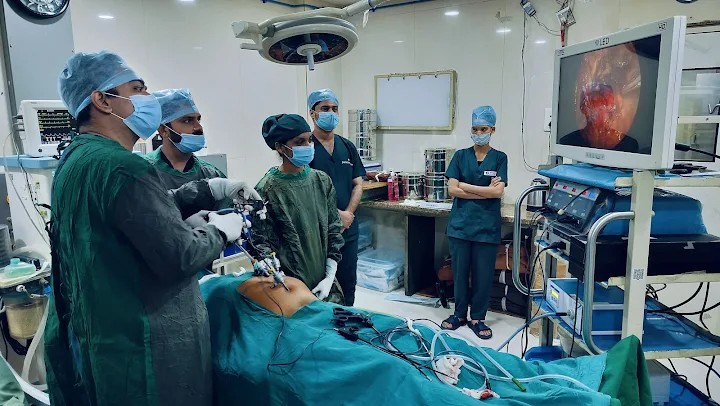
Dr. Vimal Detroja — Advanced Laparoscopic, Bariatric & Metabolic Surgeon | Laprocare Hospital, Morbi
Obesity is not merely a problem of excess weight. It is a chronic metabolic condition that can affect blood sugar, blood pressure, liver health, sleep, joints, cardiovascular health and overall quality of life.
Effective obesity treatment therefore goes beyond simply advising a patient to “eat less and exercise more”.
A proper treatment plan should determine the severity of obesity, associated medical conditions, previous weight-loss attempts and the most appropriate combination of diet, exercise, medical treatment, weight-loss medication and, when indicated, bariatric surgery.
Obesity Treatment in Morbi
At Laprocare Hospital, Morbi, Dr. Vimal Detroja provides evaluation and surgical management of obesity, including bariatric and metabolic surgery.
Treatment may involve:
- Medical evaluation of obesity
- Weight-loss diet and lifestyle modification
- Exercise and muscle-preservation strategies
- Medical weight-management options
- Prescription anti-obesity medicines when appropriate
- Bariatric surgery
- Metabolic surgery
- Long-term follow-up after weight-loss surgery
The appropriate treatment is different for every patient.
What Is Obesity?
Obesity is an abnormal or excessive accumulation of body fat that can adversely affect health.
Assessment commonly includes:
- BMI
- Waist circumference
- Weight history
- Metabolic health
- Associated diseases
- Physical activity
- Dietary habits
BMI is useful as an initial screening measure, but it should not be interpreted in isolation.
Why Should Obesity Be Treated?
Obesity can increase the risk of several diseases, including:
Type 2 Diabetes
Excess adiposity is strongly associated with insulin resistance and type 2 diabetes.
Hypertension
Obesity can contribute to elevated blood pressure and cardiovascular risk.
Fatty Liver Disease
Obesity is closely associated with metabolic dysfunction-associated steatotic liver disease.
Sleep Apnea
Obesity is an important risk factor for obstructive sleep apnea.
Joint Problems
Excess body weight can increase mechanical stress on the knees, hips and other joints.
Cardiometabolic Disease
Obesity can contribute to an adverse metabolic and cardiovascular risk profile.
Therefore, the objective of obesity treatment is not simply weight reduction.
It is improving health while reducing excess body fat and preserving functional capacity.
How Is Obesity Treated?
There is no single treatment that is suitable for every patient.
A comprehensive approach may include:
Diet → Exercise → Behavioural modification → Medical treatment → Anti-obesity medication → Bariatric/metabolic surgery
These treatments are not necessarily alternatives to one another.
For many patients, they work best as components of a long-term treatment strategy.
Weight Loss Diet
A sustainable diet should create an appropriate energy deficit while maintaining adequate nutrition.
Important principles include:
- Adequate protein
- Vegetables
- Fibre-rich foods
- Appropriate carbohydrate portions
- Whole or minimally processed foods
- Healthy fats in appropriate quantities
- Adequate hydration
- Limiting excess added sugar
- Avoiding frequent calorie-dense beverages
There is no requirement for every patient to completely eliminate rice, roti or other traditional Indian foods.
Portion size and the overall dietary pattern are more important.
Exercise for Obesity
Exercise is important even when the primary goal is weight reduction.
It can improve:
- Cardiovascular fitness
- Insulin sensitivity
- Muscle strength
- Functional capacity
- Metabolic health
- Long-term weight maintenance
A programme can include:
Walking
A practical starting point for many people.
Aerobic exercise
- Brisk walking
- Cycling
- Swimming
- Jogging where appropriate
Resistance training
Strength training is particularly important during weight loss because it helps preserve lean muscle.
Why Muscle Preservation Matters
A reduction in body weight does not necessarily mean that all the lost weight is body fat.
During aggressive calorie restriction, some lean tissue may also be lost.
Therefore, a good weight-management programme should aim for:
Fat loss + muscle preservation + improved metabolic health
Adequate protein and resistance exercise can be important components of this approach.
Weight-Loss Medicines and Injections
Modern anti-obesity medicines can help selected patients reduce appetite and food intake.
Some prescription medicines act through pathways involving:
- GLP-1
- GIP/GLP-1
These medicines are often referred to by patients as weight-loss injections.
They are prescription medications, not cosmetic injections, and should be used only after appropriate medical assessment.
Potential adverse effects can include gastrointestinal symptoms such as:
- Nausea
- Vomiting
- Diarrhea
- Constipation
- Abdominal discomfort
The choice of medication depends on the patient’s individual medical profile.
Are Weight-Loss Injections Suitable for Everyone?
No.
The decision may depend on:
- BMI
- Diabetes
- Other metabolic diseases
- Current medications
- Medical history
- Contraindications
- Previous weight-loss treatment
- Long-term treatment goals
Weight-loss medication should be prescribed and monitored by an appropriately qualified clinician.
When Is Bariatric Surgery Considered?
Bariatric surgery may be considered for appropriately selected patients with significant obesity, particularly when obesity is associated with metabolic disease or when nonsurgical treatment has not produced sufficient durable improvement.
Evaluation may consider:
- BMI
- Type 2 diabetes
- Hypertension
- Sleep apnea
- Fatty liver disease
- Dyslipidemia
- Previous weight-loss attempts
- Overall health
- Surgical risk
- Patient preference
Current clinical guidelines should be used when determining eligibility.
What Is Bariatric Surgery?
Bariatric surgery is a group of operations designed to treat significant obesity.
Modern bariatric procedures can influence:
- Stomach capacity
- Appetite
- Satiety
- Gut hormones
- Glucose metabolism
- Insulin sensitivity
- Nutrient signalling
This is why bariatric surgery is also referred to as metabolic surgery.
Common Bariatric Surgery Options
Sleeve Gastrectomy
Sleeve gastrectomy involves removing a substantial portion of the stomach, leaving a narrow gastric tube.
Potential benefits include:
- Significant weight loss
- Improved satiety
- Metabolic improvement
- Improvement in obesity-related diseases
However, pre-existing significant reflux requires careful consideration when selecting sleeve gastrectomy.
Gastric Bypass
Gastric bypass creates a small gastric pouch and changes intestinal nutrient flow.
It can provide substantial weight loss and metabolic benefits.
It may be particularly relevant in selected patients with:
- Obesity and type 2 diabetes
- Significant reflux
- Metabolic disease
One-Anastomosis Gastric Bypass
One-anastomosis gastric bypass combines gastric restriction with intestinal bypass.
It can produce substantial weight loss and metabolic improvement but requires careful patient selection and long-term nutritional monitoring.
Which Bariatric Surgery Is Best?
There is no single best bariatric operation for every patient.
Procedure selection may depend on:
BMI + diabetes + reflux + eating behaviour + metabolic disease + anatomy + previous surgery + nutritional considerations
The most appropriate operation should therefore be selected after individual assessment.
Obesity and Type 2 Diabetes
Weight reduction can improve insulin resistance and glycaemic control.
Bariatric/metabolic surgery can produce substantial improvement in type 2 diabetes in appropriately selected patients.
Some patients may achieve diabetes remission, although remission cannot be guaranteed.
Obesity and Fatty Liver
Weight reduction can decrease liver fat and improve metabolic health in patients with obesity-associated fatty liver disease.
For patients with obesity and metabolic liver disease, treating the underlying obesity can therefore be an important part of overall management.
Obesity and Sleep Apnea
Obesity is a major risk factor for obstructive sleep apnea.
Possible symptoms include:
- Loud snoring
- Witnessed pauses in breathing
- Daytime sleepiness
- Morning headaches
- Poor-quality sleep
Weight reduction can improve sleep apnea, although established sleep apnea may require specific treatment such as CPAP.
Why Does Weight Come Back After Dieting?
Weight regain is common and does not necessarily mean that the patient has “failed”.
Several factors may contribute:
- Increased appetite
- Physiological adaptation
- Reduced energy expenditure
- Reduced physical activity
- High-calorie foods
- Poor sleep
- Behavioural factors
- Psychological factors
For persistent weight regain, the entire treatment strategy should be reassessed.
What Happens After Bariatric Surgery?
Bariatric surgery is not the end of obesity treatment.
Long-term follow-up can include:
- Dietary guidance
- Protein management
- Vitamin and mineral supplementation
- Exercise
- Resistance training
- Blood investigations
- Diabetes monitoring
- Weight monitoring
- Management of nutritional deficiencies
- Assessment of weight regain
Long-term follow-up is an integral part of successful bariatric treatment.
Who Should Consult an Obesity Specialist?
Consider a medical evaluation if you have:
- Persistent obesity
- Repeated failed diets
- Recurrent weight regain
- Diabetes associated with obesity
- Hypertension
- Fatty liver
- Sleep apnea
- Obesity-related joint problems
- Difficulty exercising because of excess weight
- Interest in weight-loss medication
- Interest in bariatric surgery
Importantly, consulting a bariatric surgeon does not mean that you automatically need surgery.
The purpose of consultation is to determine what treatment is appropriate.
Frequently Asked Questions About Obesity Treatment
Who is a bariatric surgeon in Morbi?
A bariatric surgeon specializes in surgical treatment of obesity and metabolic disease. Dr. Vimal Detroja is an advanced laparoscopic, bariatric and metabolic surgeon practicing at Laprocare Hospital, Morbi.
What is the best treatment for obesity?
There is no universal treatment. Depending on the patient, treatment may involve diet, exercise, medical therapy, anti-obesity medication or bariatric surgery.
Are weight-loss injections safe?
Prescription anti-obesity injections can be appropriate for selected patients but have contraindications and potential adverse effects. They require medical supervision.
Can I lose weight without surgery?
Yes. Lifestyle treatment and medical weight management can produce meaningful weight loss in many patients.
When should I consider bariatric surgery?
The decision depends on BMI, obesity-related disease, previous treatment, overall health and current clinical guidelines.
Is sleeve gastrectomy better than gastric bypass?
Neither is universally better. The appropriate procedure depends on the patient’s clinical characteristics.
Can bariatric surgery improve diabetes?
Yes. Metabolic surgery can substantially improve type 2 diabetes and may result in remission in some appropriately selected patients.
Can bariatric surgery treat fatty liver?
Significant weight loss can improve metabolic liver disease, although individual outcomes vary according to the underlying liver condition.
Will I regain weight after bariatric surgery?
Some weight regain can occur. Long-term nutrition, physical activity and follow-up are important for maintaining results.
Dr. Vimal Detroja
Advanced Laparoscopic, GI, Bariatric & Metabolic Surgeon in Morbi
Dr. Vimal Detroja
MBBS | MS (General Surgery) | DNB (General Surgery) | FNB – Minimal Access Surgery | FALS – Colorectal & Bariatric Surgery | FIAGES
Dr. Vimal Detroja is an Advanced Laparoscopic, GI, Bariatric and Metabolic Surgeon practicing at Laprocare Hospital, Morbi.
He underwent FNB – Minimal Access Surgery training at Sir Ganga Ram Hospital, New Delhi, with extensive training in bariatric surgery, laparoscopic GI surgery and oncological surgery.
Areas of Surgical Practice
- Bariatric & metabolic surgery
- Advanced laparoscopic surgery
- Gastrointestinal surgery
- Hernia surgery
- Colorectal surgery
- Piles treatment
- Anal fissure treatment
- Anal fistula treatment
- Gallbladder surgery
- Appendix surgery
- General surgery
Laprocare Hospital, Morbi
Laprocare Hospital – Advanced Laparoscopy & Bariatric Centre
Address:
4th Floor, Subham Hospital Building
Savsar Plot 15, Vodafone Store Street
Sanala Road, Morbi – 363641
Gujarat, India
The hospital’s published contact details currently list:
Phone / WhatsApp: 7984369579
Email: hr@laprocarehospital.com
Hospital: Laprocare Hospital, Morbi